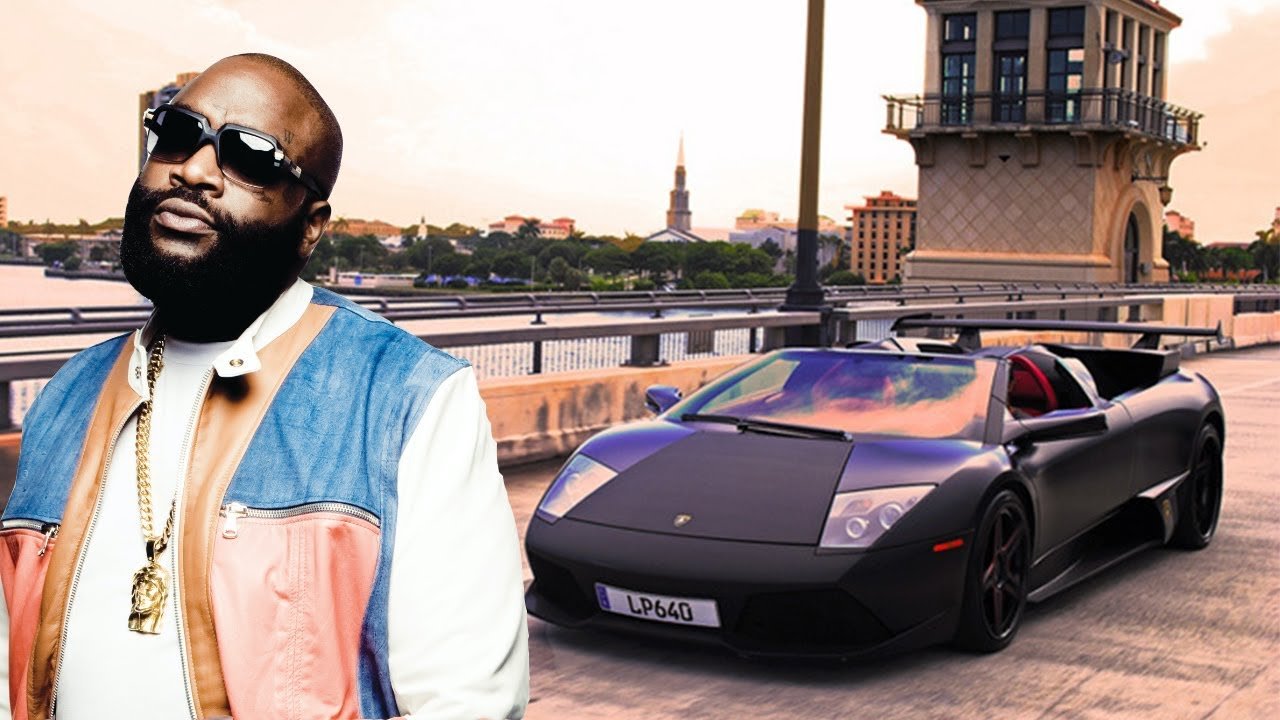
William Leonard Roberts II, known globally as Rick Ross, has crafted a persona that extends far beyond the recording booth. “The Boss” isn’t just a moniker; it’s a reflection of a sprawling empire built on platinum-selling albums, savvy business investments, and an undeniable entrepreneurial spirit. While his booming voice and larger-than-life lyrics about luxury and street triumphs first captured our attention, his financial acumen has solidified his status as a true mogul. This article delves deep into the Rick Ross net worth, breaking down how he amassed his fortune from music royalties, strategic business ventures, and a diverse portfolio of assets that go far beyond the expected.
From the streets of Carol City, Florida, to the boardrooms of major brands, Ross’s journey is a masterclass in wealth creation. We will explore the cornerstones of his financial success, examining his record label, endorsement deals, and surprising business interests—from fast-food franchises to haircare products. Understanding his financial empire provides a fascinating look at how a modern artist can transform cultural influence into tangible, long-lasting wealth.
Contents
- 1 From Corrections Officer to Music Mogul: The Foundation of Wealth
- 2 Maybach Music Group: Building an Empire
- 3 Beyond the Mic: Rick Ross’s Diverse Business Ventures
- 4 Endorsements, Assets, and Lifestyle
- 5 The Total Rick Ross Net Worth
- 6 The Boss’s Legacy: Wealth Beyond Music
- 7 Frequently Asked Questions (FAQs)
From Corrections Officer to Music Mogul: The Foundation of Wealth
Before he was The Boss, William Roberts II had a brief stint as a corrections officer, a past that once seemed at odds with his gangster rap image. However, this chapter was short-lived. His true calling was music, and he burst onto the scene in the mid-2000s with a powerful voice and captivating street narratives.
His 2006 debut single, “Hustlin’,” became an anthem and catapulted him into the national spotlight. The song’s success led to a bidding war between major labels, which he ultimately leveraged into a multimillion-dollar deal with Jay-Z’s Def Jam Records. His debut album, Port of Miami, went straight to number one on the Billboard 200 chart, laying the financial groundwork for everything that followed.
Subsequent albums like Trilla, Deeper Than Rap, and Teflon Don solidified his position as a commercial powerhouse in hip-hop. Each album produced hit singles, generated substantial sales, and fueled lucrative tours. These early years in music were the primary engine for building the initial Rick Ross net worth, creating the capital he would later use to diversify his income streams.
Maybach Music Group: Building an Empire
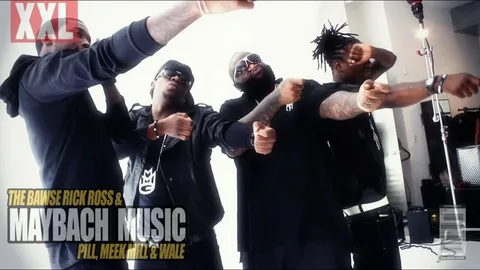
One of Rick Ross’s most significant business moves was founding his own record label, Maybach Music Group (MMG), in 2009. Rather than just being an artist signed to a label, he became the head of one. This was a pivotal step in his evolution from a rapper to a full-fledged executive.
MMG became home to a roster of successful artists, including Meek Mill, Wale, and French Montana. The label released a series of popular compilation albums, Self Made Vol. 1, 2, and 3, which further boosted its profile and revenue. As the label’s CEO, Ross earned a significant percentage of the profits generated by his artists’ album sales, tours, and merchandise. This move created a consistent and scalable revenue stream, insulating his wealth from the fluctuations of his own solo career. The success of MMG demonstrated his keen eye for talent and his understanding of the music industry’s business side.
Beyond the Mic: Rick Ross’s Diverse Business Ventures
While music was the foundation, Rick Ross’s true genius lies in his ability to diversify. He understood early on that relying solely on music was a risky long-term strategy. His business portfolio is a testament to his “Hustlin'” mantra, spanning multiple industries with impressive results. The expansion into these areas has been a critical factor in the growth of his wealth.
Wingstop: The Fast-Food King
Perhaps the most famous of his business ventures is his investment in Wingstop franchises. Ross’s love for the brand’s lemon pepper wings is well-documented in his music, and he turned that passion into a major source of income. He reportedly owns nearly 30 Wingstop locations across the United States.
These franchises are not just passive investments; they are significant revenue generators. A well-run Wingstop can bring in substantial profits, and with a large portfolio of them, Ross has created a reliable, multi-million dollar annual income stream completely separate from his music career. His public association with the brand also serves as organic marketing, benefiting both his franchises and the parent company.
Checkers and Rally’s: Expanding the Portfolio
Following his success with Wingstop, Ross expanded his presence in the fast-food industry. He has invested in multiple Checkers and Rally’s franchises, further diversifying his holdings within a sector he understands well. He also partnered with the brands for marketing campaigns, leveraging his celebrity status to drive sales. These investments showcase a clear strategy: identify profitable, scalable consumer brands and become a significant stakeholder.
Real Estate: The Promised Land
Rick Ross owns one of the most famous private residences in the United States. His sprawling 235-acre estate in Fayetteville, Georgia, was formerly owned by boxer Evander Holyfield and is the largest single-family home in the state. The mansion features 109 rooms, a movie theater, a bowling alley, and a pool rumored to hold over 350,000 gallons of water.
This property is more than just a home; it’s a significant asset and a business venture. Ross rents out the estate for film and television productions, with the mansion famously appearing as the Zamundan palace in the movie Coming 2 America. This generates substantial income and turns a massive liability (property maintenance costs are enormous) into a profitable enterprise. His real estate portfolio extends beyond this single property, contributing significantly to the overall Rick Ross net worth.
Rick Ross’s Major Business Ventures
| Venture | Industry | Scale of Investment | Role |
| Maybach Music Group | Music & Entertainment | Founder/CEO | Manages a roster of successful artists. |
| Wingstop | Fast Food | Owner of ~30 franchises | Significant annual revenue from food sales. |
| Checkers/Rally’s | Fast Food | Franchisee/Partner | Expansion of his fast-food empire. |
| The Promised Land Estate | Real Estate / Film | Property Owner | Rents out 235-acre estate for productions. |
| Rich by Rick Ross | Health & Beauty | Brand Founder | Line of luxury men’s grooming products. |
| Belaire Rosé | Wine & Spirits | Brand Ambassador | Key figure in promoting the popular sparkling wine. |
Endorsements, Assets, and Lifestyle
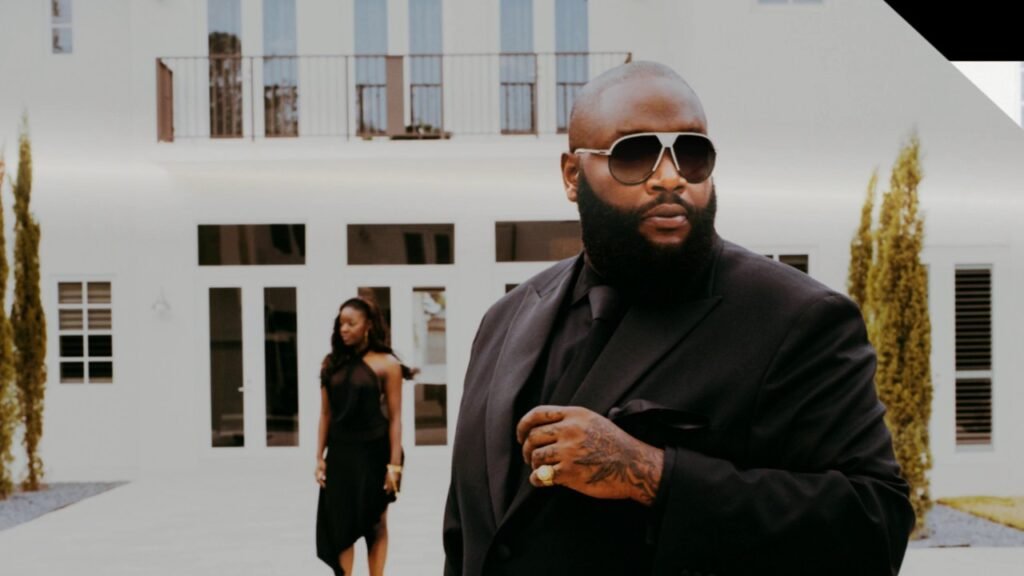
A celebrity of Rick Ross’s stature commands significant fees for brand partnerships and endorsements. His most prominent role has been as a brand ambassador for Luc Belaire Rosé. His constant promotion of the sparkling wine on social media and in his music videos has been instrumental in the brand’s explosive growth, making it a staple in nightlife culture. While the exact terms of his deal are private, it is undoubtedly a multi-million dollar partnership that includes both direct compensation and likely an equity stake.
His car collection is another facet of his lavish lifestyle and a component of his asset portfolio. He is known to own over 100 classic and luxury vehicles, which he often showcases at his annual car show held at his Georgia estate. While cars are typically depreciating assets, his collection of rare and vintage models can hold or even increase in value over time, making it a unique form of investment.
Estimated Breakdown of Income Sources
| Income Source | Estimated Annual Contribution | Notes |
| Music Royalties & Touring | $3 – $5 Million | Varies based on album releases and tour schedules. |
| Maybach Music Group | $5 – $8 Million | Profits from artists, publishing, and label ventures. |
| Wingstop Franchises | $7 – $10 Million | Revenue from his portfolio of nearly 30 locations. |
| Real Estate (Film Rentals) | $1 – $2 Million | Income from renting his estate for productions. |
| Endorsements (Belaire, etc.) | $2 – $4 Million | Partnerships with various lifestyle and luxury brands. |
| Other Ventures (Checkers, Rich) | $1 – $3 Million | Combined income from his smaller business interests. |
Disclaimer: These figures are estimates based on public information and industry analysis. Actual income may vary.
The Total Rick Ross Net Worth
Combining his earnings from a multi-decade music career, the substantial profits from Maybach Music Group, the consistent cash flow from his fast-food franchises, and the value of his extensive real estate and asset portfolio, estimates for the Rick Ross net worth vary. Sources place his fortune anywhere from $45 million to as high as $150 million.
The discrepancy often comes from how assets are valued. The $45 million figure may represent a more conservative estimate of liquid assets and business profits, while the higher figures likely incorporate the full market value of his real estate, car collection, and the equity he holds in his various business enterprises. Regardless of the exact number, it’s clear that Rick Ross is one of the wealthiest artists in hip-hop, with a financial empire built on shrewd diversification.
Rick Ross’s Net Worth Over the Years
| Year | Estimated Net Worth | Key Milestones |
| 2006 | $2 Million | Release of debut album Port of Miami. |
| 2010 | $15 Million | Success of MMG; Teflon Don album release. |
| 2015 | $35 Million | Expanded Wingstop portfolio; continued music success. |
| 2020 | $40 Million | Acquired “The Promised Land” estate. |
| 2024 | $45 – $150 Million | Continued business growth, film rentals, car shows. |
The Boss’s Legacy: Wealth Beyond Music
Rick Ross has successfully transitioned from a chart-topping rapper to a multifaceted businessman. His story is a powerful example of leveraging fame into a durable and diversified financial portfolio. He has shown an innate ability to identify cultural trends and turn them into profitable businesses, whether it’s the widespread appeal of lemon pepper wings or the luxury allure of a sparkling rosé.
The Rick Ross net worth is not just a number; it’s the result of a deliberate and long-term strategy. By establishing his own label, investing in proven franchise models, and turning his personal brand into a marketing powerhouse, he has created a financial legacy that will last long after his music career winds down. He is, in every sense of the word, The Boss.
Frequently Asked Questions (FAQs)
1. How did Rick Ross make his money?
Rick Ross built his wealth through a combination of sources. His initial fortune came from his successful music career, including platinum-selling albums and worldwide tours. He then founded his own record label, Maybach Music Group (MMG), which generated significant income. However, a substantial portion of his wealth comes from his business ventures, most notably his ownership of nearly 30 Wingstop franchises, investments in Checkers/Rally’s restaurants, and his partnership with Belaire Rosé.
2. What are Rick Ross’s top business ventures?
His most profitable business ventures include:
- Maybach Music Group (MMG): His record label, home to artists like Wale and Meek Mill.
- Wingstop Franchises: He owns a large portfolio of the popular chicken wing restaurants.
- Belaire Rosé: He is a key brand ambassador and partner, crucial to the brand’s success.
- Real Estate: His 235-acre Georgia estate, which he rents out for film productions.
3. How many Wingstops does Rick Ross own?
While the exact number fluctuates, Rick Ross is widely reported to own close to 30 Wingstop franchise locations across the United States. His son recently gifted him another location, further expanding his portfolio.