Contents
Introduction
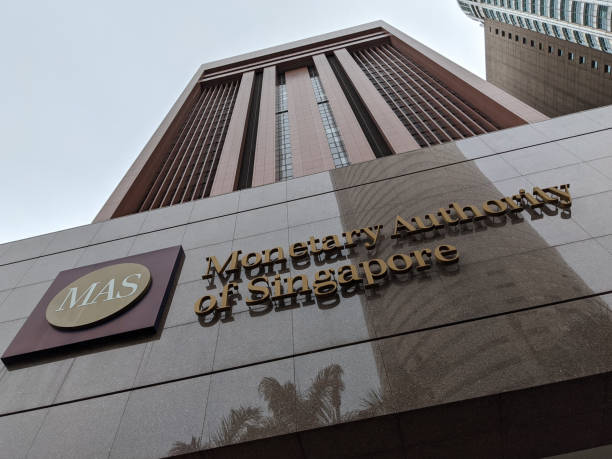
Singapore has long been recognized as one of Asia’s leading financial hubs, attracting investors, startups, and multinational corporations. A key driver behind this success is the country’s proactive approach to financial regulation, particularly in the fintech sector. Central to this approach is the Monetary Authority of Singapore (MAS) sandbox, an initiative designed to foster innovation while maintaining financial stability. By providing a controlled environment for fintech experimentation, the MAS sandbox has become a pivotal tool in accelerating innovation, enabling startups and established players to test new products and services with reduced regulatory risk.
As fintech continues to reshape the global financial landscape, Singapore’s MAS sandbox serves as a model for balancing regulatory oversight with innovation. It encourages experimentation, attracts investment, and strengthens the country’s position as a global fintech hub.
Understanding the MAS Sandbox
The MAS sandbox was introduced to address a common challenge faced by fintech innovators: navigating complex regulatory requirements while developing groundbreaking solutions. Traditional regulatory processes often slow down innovation because new financial products must comply with a range of rules before entering the market. The sandbox offers a solution by allowing eligible firms to test their products under relaxed regulatory conditions, while still maintaining necessary consumer protections.
In practical terms, the MAS sandbox provides startups with a “safe space” to experiment with new technologies, such as digital payments, blockchain applications, and AI-driven financial advisory services. Companies can trial their solutions with a limited set of customers and under specific conditions, receiving guidance and oversight from MAS throughout the process. This structure reduces the risk of compliance violations, mitigates financial exposure, and allows for rapid iteration based on real-world feedback.
Encouraging Innovation and Entrepreneurship
One of the most significant ways the MAS sandbox accelerates fintech innovation is by encouraging experimentation without the fear of immediate regulatory penalties. Startups often operate with limited resources, and navigating regulatory frameworks can be expensive and time-consuming. The sandbox addresses this challenge by providing a temporary exemption from certain regulatory requirements, giving innovators the flexibility to focus on product development and customer experience.
Moreover, the sandbox signals a supportive regulatory environment to investors. Venture capitalists and other financiers are more likely to fund projects when there is a structured pathway for regulatory compliance. Knowing that MAS offers guidance and oversight reduces uncertainty and helps fintech startups attract capital, a crucial factor for scaling operations.
Collaboration Between Regulators and Startups
Another key advantage of the Monetary Authority of Singapore sandbox is the collaborative approach it fosters between regulators and innovators. Rather than treating compliance as a rigid barrier, MAS actively engages with startups to understand their business models and potential risks. This dialogue enables regulators to provide tailored guidance, ensuring that consumer protection and financial stability are maintained even as new technologies are tested.
This collaborative model benefits both parties. Regulators gain insights into emerging technologies and market trends, while startups receive expert input on compliance matters early in the development process. Such interaction reduces the likelihood of future regulatory conflicts and encourages a culture of responsible innovation.
Additionally, MAS organizes workshops, mentoring programs, and consultations for sandbox participants. These initiatives not only improve compliance understanding but also help startups refine their business models and operational processes. The outcome is a fintech ecosystem that is innovative, resilient, and aligned with regulatory expectations.
Case Studies of MAS Sandbox Success
Several fintech startups have leveraged the MAS sandbox to achieve rapid growth and market acceptance. For instance, digital payment platforms have used the sandbox to pilot e-wallet solutions, experimenting with novel features such as real-time peer-to-peer transfers and cross-border payments. These trials not only validate the technology but also allow MAS to observe its impact on financial stability and consumer protection before granting broader approval.
Similarly, AI-driven robo-advisory services have benefited from sandbox testing, refining their algorithms and user interfaces while ensuring compliance with investment advisory regulations. By iterating within a controlled environment, these startups can launch fully compliant products with confidence, ultimately reaching more customers and gaining a competitive edge in the market.
Insurtech companies have also found value in the MAS sandbox. By testing automated insurance underwriting and claims processing tools, they can validate their models without exposing large numbers of customers to risk. This iterative approach accelerates innovation while maintaining trust and transparency.
Driving Regional and Global Competitiveness
Singapore’s MAS sandbox has strengthened the country’s position as a global fintech hub. By providing a structured yet flexible testing environment, the initiative attracts international fintech companies seeking a gateway to Asia. The sandbox demonstrates Singapore’s commitment to innovation-friendly regulation, signaling to the global financial community that the city-state is a forward-thinking and reliable partner.
Furthermore, lessons learned within the sandbox often inform regulatory practices in other jurisdictions. MAS actively shares insights from its sandbox initiatives, contributing to a broader ecosystem of innovation that extends beyond Singapore. This influence encourages regional fintech collaboration and promotes the adoption of best practices in compliance, risk management, and technology deployment.
Challenges and Future Outlook
While the MAS sandbox has been highly effective, it is not without challenges. Startups must carefully manage the transition from sandbox testing to full regulatory compliance, which can involve additional costs and administrative requirements. Moreover, as fintech innovations grow more complex, MAS continuously updates sandbox guidelines to address emerging risks such as cybersecurity threats, digital asset regulation, and AML compliance.
Despite these challenges, the MAS sandbox is expected to remain a cornerstone of Singapore’s fintech strategy. By fostering responsible innovation, supporting collaboration, and enhancing market confidence, the sandbox will continue to accelerate fintech development, enabling startups to scale quickly while maintaining regulatory integrity.
Conclusion
The MAS sandbox represents a strategic balance between innovation and regulation, allowing fintech startups to experiment safely while ensuring financial stability and consumer protection. By offering a structured environment, collaborative guidance, and regulatory flexibility, MAS has created a model that accelerates fintech innovation and strengthens Singapore’s reputation as a leading financial hub.
With ongoing advancements in technology and the continuous evolution of financial services, initiatives like the MAS sandbox will remain essential in shaping the future of fintech, supporting both local startups and international innovators in achieving sustainable growth.
FAQs
1. What is the MAS sandbox?
The MAS sandbox is a regulatory initiative by the Monetary Authority of Singapore that allows fintech startups and other financial innovators to test new products and services in a controlled environment with temporary exemptions from certain regulatory requirements.
2. Who can participate in the MAS sandbox?
Fintech startups, technology companies, and even established financial institutions can apply to the sandbox if their products are innovative and meet eligibility criteria set by MAS. Participation is limited to projects that can demonstrate potential benefits to customers while managing associated risks.
3. How long can a fintech startup operate in the sandbox?
The duration varies depending on the complexity of the project and regulatory considerations. Typically, sandbox testing is allowed for a limited period during which the company must gather data, assess risks, and demonstrate that the product complies with necessary regulations before broader deployment.
4. What types of fintech solutions benefit most from the MAS sandbox?
Digital payments, blockchain-based solutions, robo-advisory services, insurtech innovations, regtech applications, and AI-powered financial tools are among the most common beneficiaries. Essentially, any fintech product requiring regulatory flexibility for testing may benefit.