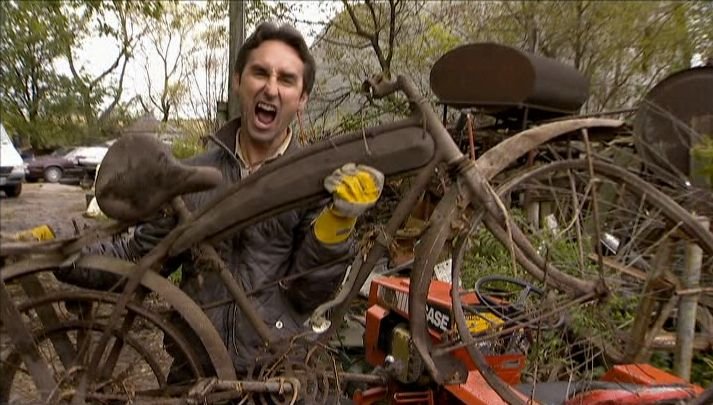
When most people hear the name Mike Wolfe, they immediately picture the lanky, charismatic co-host of American Pickers, driving a white van down a gravel road in search of rusty gold. But for Wolfe, the hunt has never been just about flipping items for a profit. It has always been about something deeper: the stories, the people, and the preservation of a disappearing America. This drive has culminated in what is now known as the Mike Wolfe Passion Project, a multifaceted initiative dedicated to revitalizing small towns and saving historic architecture from the wrecking ball.
While television fame gave him the platform, his passion project is where his true legacy is being built. It is a movement that goes beyond entertainment, challenging us to look at our own communities and see the value in what has been left behind. From a restored gas station in Tennessee to the preservation of main street commerce, Wolfe is proving that history isn’t just something you read about in textbooks—it’s something you can touch, experience, and save.
Contents
- 1 The Philosophy of Preservation with Purpose
- 2 Mike Wolfe: The Man Behind the Movement
- 3 The Crown Jewel: The Columbia Motor Alley Project
- 4 Revitalizing Main Street, USA
- 5 Challenges in Historic Preservation
- 6 The Role of Storytelling in Preservation
- 7 Future Projects and Vision
- 8 How You Can Join the Movement
- 9 Conclusion
- 10 Frequently Asked Questions (FAQs)
The Philosophy of Preservation with Purpose
At the heart of the Mike Wolfe Passion Project lies a simple but profound philosophy: preservation with purpose. Wolfe isn’t interested in creating museums where objects sit behind velvet ropes, gathering dust. He believes that for history to survive, it must be functional, accessible, and integrated into modern life.
Moving Beyond Nostalgia
Nostalgia is a powerful drug, but it isn’t enough to save a crumbling building. Wolfe understands that restoration projects must be economically viable to endure. His approach involves taking derelict structures—often eyesores in their communities—and reimagining them as vibrant commercial or community spaces. This is where the concept of “purpose” comes in. A restored building shouldn’t just look pretty; it should serve the community, create jobs, or attract tourism.
For example, when Wolfe looks at an old factory or a dilapidated general store, he doesn’t just see the peeling paint. He sees a potential coffee shop, a boutique hotel, or a workshop for local artisans. By giving these spaces a second life, the Mike Wolfe Passion Project ensures they remain relevant for future generations.
The Emotional Connection to Objects
Wolfe has often spoken about the “energy” of objects. He believes that handmade items from the past carry the spirit of the people who made and used them. In a world dominated by mass production and disposable goods, this connection to craftsmanship is becoming increasingly rare.
His passion project extends this thinking to architecture. A building constructed by hand 100 years ago has a soul that modern drywall and steel beams simply cannot replicate. By saving these structures, Wolfe isn’t just preserving bricks and mortar; he is preserving the human energy and craftsmanship that built America.
Mike Wolfe: The Man Behind the Movement
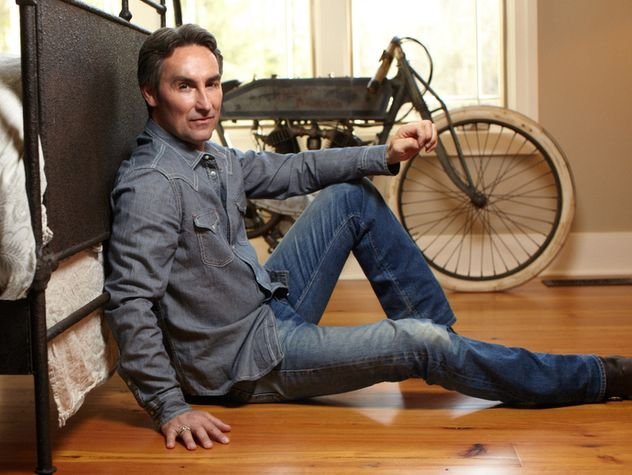
To understand the depth of his commitment, it is helpful to look at the man himself. Wolfe isn’t a corporate developer looking for tax write-offs. He is a lifelong collector who started picking out of necessity and passion long before cameras were rolling.
Biography and Net Worth
Mike Wolfe’s journey from humble beginnings to television stardom and historic preservationist is a testament to the value of following one’s obsession.
| Attribute | Details |
|---|---|
| Full Name | Michael Wolfe |
| Birth Date | June 11, 1964 |
| Birthplace | Joliet, Illinois, USA |
| Current Residence | Leiper’s Fork, Tennessee |
| Profession | Antique Picker, TV Personality, Preservationist, Author |
| Key Ventures | Antique Archaeology, Two Lanes, Mike Wolfe Passion Project |
| Years Active | 1990s – Present |
| Estimated Net Worth | $7 Million – $9 Million (Estimated as of 2026) |
| Notable Achievement | Creator and Star of American Pickers (History Channel) |
His estimated net worth reflects not just his TV salary, but his successful brick-and-mortar businesses, real estate investments, and the brand equity he has built over decades. However, he often reinvests his wealth into the very projects that define his legacy—purchasing and restoring properties that others would deem money pits.
The Crown Jewel: The Columbia Motor Alley Project
One of the most visible and celebrated examples of the Mike Wolfe Passion Project is the restoration of the Columbia Motor Alley in Columbia, Tennessee. This project perfectly encapsulates his vision of revitalizing small-town America.
A Piece of Automotive History
Located in the heart of downtown Columbia, the building was originally a Chevrolet dealership built in the late 1940s. For decades, it stood as a symbol of American automotive dominance and the post-war boom. However, like many downtown structures, it eventually fell into disrepair as businesses moved to the suburbs and highway strip malls.
When Wolfe acquired the property, many saw a dilapidated garage. Wolfe saw a cathedral of American industry. The building retained much of its original character, including the massive bow-truss ceilings and the industrial windows that flooded the space with natural light.
The Restoration Process
Restoring a building of this magnitude is not for the faint of heart. It requires navigating modern building codes while strictly adhering to historic preservation standards. Wolfe’s team worked painstakingly to preserve the original patina of the walls, the vintage signage, and the industrial feel of the space.
The goal wasn’t to make it look brand new. The goal was to make it look like it had been cared for. This distinction is crucial in the Mike Wolfe Passion Project. Over-restoration can strip a building of its character. Wolfe prefers to leave the scars and scratches that tell the building’s story. Today, the space serves as a stunning example of adaptive reuse, hosting retail spaces and community events, bringing foot traffic back to a part of town that desperately needed it.
Revitalizing Main Street, USA
While individual buildings are important, Wolfe’s broader mission is the revitalization of America’s Main Streets. He has long been an advocate for the “shop local” movement, not just as a slogan, but as an economic necessity for small towns.
The “Two Lanes” Philosophy
Wolfe launched his lifestyle brand, “Two Lanes,” to celebrate the backroads of America. The name refers to the two-lane highways that used to connect the country before the interstate system bypassed thousands of small towns. When the interstates were built, efficiency increased, but many unique communities withered on the vine.
Through the Mike Wolfe Passion Project, he encourages travelers to get off the interstate and take the “two lanes” through these towns. He uses his massive social media following to highlight mom-and-pop shops, historic diners, and unique roadside attractions. By driving tourism dollars back into these communities, he provides the economic fuel needed for preservation.
Leiper’s Fork: A Case Study in Village Preservation
Wolfe currently resides in Leiper’s Fork, Tennessee, a village that has become a model for rural preservation. Here, the Mike Wolfe Passion Project is lived out daily. The village has maintained its rural character while becoming a destination for music, art, and antiques.
Wolfe has been instrumental in preserving the aesthetic integrity of the area. He understands that the charm of a place like Leiper’s Fork is fragile. One bad development or chain store can ruin the atmosphere that makes it special. His advocacy ensures that growth happens responsibly, respecting the architectural heritage and the rural landscape.
Challenges in Historic Preservation
It would be misleading to suggest that the Mike Wolfe Passion Project is easy. Historic preservation is fraught with challenges, both financial and bureaucratic.
The Cost of Authenticity
Restoring an old building is almost always more expensive than tearing it down and building new. You are dealing with lead paint, asbestos, outdated wiring, and structural issues that don’t reveal themselves until you start peeling back layers. For many investors, the math just doesn’t work.
Wolfe argues that the return on investment (ROI) for preservation cannot be measured solely in dollars. There is a social ROI—the pride a community feels when a landmark is saved, the increase in property values for surrounding buildings, and the tourism draw. However, convincing banks and city councils of this intangible value remains a constant battle.
Zoning and Red Tape
Another hurdle is modern zoning laws. Many historic buildings were constructed before current codes existed. Making a 100-year-old building ADA compliant or bringing it up to modern fire codes without destroying its historic integrity requires creative solutions and often, variances from local planning commissions. Wolfe uses his influence to advocate for more flexible codes that encourage adaptive reuse rather than penalize it.
The Role of Storytelling in Preservation
What sets Mike Wolfe apart from other developers is his ability to tell a story. He knows that people don’t fall in love with brick and mortar; they fall in love with the narrative.
Unearthing the Narrative
Every item Wolfe picks and every building he buys has a history. Who built it? What happened there? Why was it abandoned? By answering these questions, the Mike Wolfe Passion Project gives people a reason to care.
When he restored the Columbia Motor Alley, he didn’t just market it as commercial space. He marketed it as a piece of the American Dream, a place where families once bought their first car, a hub of community activity. This storytelling creates an emotional hook that transforms a real estate project into a community cause.
Inspiring the Next Generation
A critical component of Wolfe’s mission is inspiring younger generations to value history. In an era of digital dominance, getting young people interested in “old stuff” can be a hard sell. Yet, Wolfe has found that Millennials and Gen Z crave authenticity. They are drawn to the unique, the sustainable, and the real.
By positioning preservation as a form of sustainability—the ultimate recycling project—he appeals to younger, eco-conscious audiences. The Mike Wolfe Passion Project shows them that saving an old building is greener than building a new LEED-certified one, simply because of the embodied energy in the existing materials.
Future Projects and Vision
As the Mike Wolfe Passion Project continues to evolve, the scope is widening. Wolfe is looking beyond individual buildings to entire districts and heritage corridors.
The Tennessee-Iowa Connection
With roots in Iowa (where Antique Archaeology began) and a home in Tennessee, Wolfe is creating a bridge between the Midwest and the South. He continues to invest in Le Claire, Iowa, ensuring that the town that launched his career remains vibrant. Simultaneously, his work in Tennessee expands, with rumors of potential projects involving historic music venues and early 20th-century industrial sites.
Advocacy on a National Level
Wolfe has increasingly taken on the role of a national ambassador for preservation. He works with organizations like the National Trust for Historic Preservation to raise awareness about endangered places. His voice carries weight, and he uses it to shine a spotlight on towns that might otherwise be ignored by national media.
How You Can Join the Movement
Mike Wolfe is quick to point out that you don’t need a TV show or a millionaire’s budget to be part of the Mike Wolfe Passion Project. The movement is inclusive, inviting everyone to play a role in saving history.
Start Where You Are
Wolfe encourages people to look at their own communities. Is there an old theater that’s boarded up? A historic home facing demolition? He urges citizens to attend city council meetings, support local historical societies, and patronize businesses that occupy historic buildings.
The Power of the Pick
Even on a smaller scale, rescuing vintage items from landfills is a form of preservation. Whether it’s restoring an old bicycle or repurposing vintage lumber for furniture, these small acts align with the ethos of the passion project. It’s about recognizing value where others see trash.
Conclusion
The Mike Wolfe Passion Project is more than a celebrity vanity endeavor; it is a vital cultural initiative. In a rapidly homogenizing world where every highway exit looks the same, Wolfe is fighting to keep the unique character of American towns alive. Through his philosophy of “preservation with purpose,” he is demonstrating that our history is not a burden to be managed, but an asset to be leveraged.
By restoring buildings like the Columbia Motor Alley and advocating for the “Two Lanes” lifestyle, Mike Wolfe is teaching us that the road forward often requires looking in the rearview mirror. His work challenges us to be better stewards of our past, ensuring that the stories, craftsmanship, and spirit of America endure for generations to come.
Frequently Asked Questions (FAQs)
What is the Mike Wolfe Passion Project?
The Mike Wolfe Passion Project is an initiative by American Pickers star Mike Wolfe focused on historic preservation, revitalizing small towns, and saving antique architecture. It emphasizes “preservation with purpose,” ensuring restored sites have functional, modern uses.
Where does Mike Wolfe live now?
Mike Wolfe currently resides in Leiper’s Fork, Tennessee. He also maintains connections to Le Claire, Iowa, where his original Antique Archaeology shop is located.
Does Mike Wolfe still own Antique Archaeology?
Yes, Mike Wolfe still owns and operates Antique Archaeology. There are two locations: the original store in Le Claire, Iowa, and a second location in Nashville, Tennessee.
What is the “Two Lanes” brand?
“Two Lanes” is a lifestyle brand created by Mike Wolfe that celebrates American backroads and small towns. It includes a line of apparel, home goods, and a blog that highlights travel destinations off the interstate system.
Is American Pickers still filming?
Yes, American Pickers continues to film and air new episodes on the History Channel, with Mike Wolfe continuing to lead the show as it evolves.
What specific buildings has Mike Wolfe restored?
One of his most notable restorations is the Columbia Motor Alley in Columbia, Tennessee, a former Chevrolet dealership from the 1940s. He has also restored various properties in Le Claire, Iowa, and Leiper’s Fork, Tennessee.