Contents
- 1 Introduction
- 2 What is Shihuanuo Hair Dye?
- 3 What Are Traditional Hair Dyes?
- 4 Key Differences Between Shihuanuo and Traditional Dyes
- 5 Pros and Cons of Shihuanuo
- 6 Pros and Cons of Traditional Hair Dyes
- 7 Suitability for Different Hair Types
- 8 Cost Comparison
- 9 Ease of Use and Application
- 10 Environmental Impact
- 11 Choosing the Right Option for You
- 12 Actionable FAQs
- 13 Conclusion
Introduction
Hair color has always been more than just a beauty choice—it’s a statement of style, identity, and sometimes even confidence. For centuries, people have turned to various forms of hair dyes, from natural plant-based extracts to synthetic formulas. Today, the conversation is shifting toward healthier and more sustainable options. One name that’s been gaining attention is Shihuanuo, a natural hair dye alternative rooted in herbal traditions.
But how does Shihuanuo compare with the widely available traditional hair dyes? Is it really better, or just another trend? In this detailed guide, we’ll dive into the differences, benefits, downsides, and considerations of both options so you can make the best choice for your hair and lifestyle.
What is Shihuanuo Hair Dye?
Shihuanuo is a plant-based hair coloring solution that draws on traditional herbal practices. Unlike synthetic dyes, it is typically made from a blend of herbs, botanical extracts, and natural pigments designed to nourish while coloring. Many formulations include herbs known for scalp health, strengthening hair roots, and improving shine.
What sets Shihuanuo apart is its dual-purpose nature: it doesn’t just change your hair color, it also works to improve the overall condition of your hair. People often describe it as a more holistic option, especially compared to harsher chemical dyes.
For individuals who care about sustainability, Shihuanuo also carries an eco-friendly advantage. Most natural dye brands focus on biodegradable ingredients, minimal packaging, and non-toxic formulas that don’t harm waterways or pollute during production.
What Are Traditional Hair Dyes?
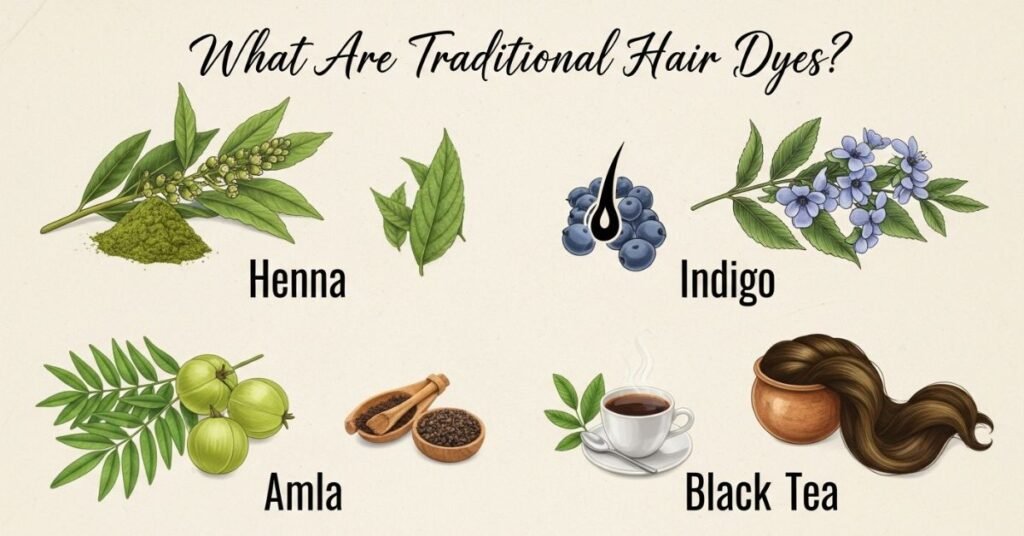
Traditional hair dyes are the ones most of us grew up with. Found in drugstores, salons, and supermarkets, these dyes rely on synthetic chemicals—such as ammonia, peroxide, and p-phenylenediamine (PPD)—to penetrate the hair shaft and alter color.
They come in permanent, semi-permanent, and temporary variations, each offering different levels of intensity and longevity. While effective, these dyes are often associated with side effects like dryness, scalp irritation, and long-term hair damage due to their harsh chemical structure.
Still, traditional hair dyes remain the most popular choice because of their ability to deliver vibrant, long-lasting results with a wide range of shades not easily replicated by natural alternatives.
Key Differences Between Shihuanuo and Traditional Dyes
Ingredients and Composition
Shihuanuo is made from plant-based extracts, herbal infusions, and natural pigments. Traditional dyes, on the other hand, are chemical-heavy and often include ammonia and PPD. This makes the two products fundamentally different in their approach to coloring hair.
While synthetic dyes penetrate deeply into the hair shaft, natural alternatives like Shihuanuo coat and strengthen the strands, offering a gentler transformation.
Impact on Hair Health
Traditional dyes can weaken the hair over time, causing dryness and breakage. Shihuanuo, however, nourishes the hair with vitamins and minerals from herbs, which may result in stronger, shinier strands after repeated use.
The key here is balance—if you prioritize vibrant shades and longer-lasting color, traditional dyes take the lead. But if hair health matters more to you, Shihuanuo might be the better choice.
Longevity of Results
One major difference lies in how long the results last. Traditional dyes are designed to provide weeks or even months of consistent color. Shihuanuo, while healthier, may fade more quickly and require more frequent applications to maintain vibrancy.
That said, many people don’t mind reapplying if it means avoiding harsh chemicals.
You Might Also Like Shihuanuo Hair Dye & Color Shampoo
Pros and Cons of Shihuanuo
Pros
- Natural and plant-based ingredients.
- Nourishes and strengthens hair.
- Gentle on the scalp, reducing irritation.
- Eco-friendly and biodegradable.
- Adds shine and softness.
Cons
- Color choices are limited compared to synthetic dyes.
- Fades faster, requiring reapplication.
- May not fully cover stubborn grays.
- Application process can be longer.
Pros and Cons of Traditional Hair Dyes
Pros
- Wide variety of shades and tones.
- Long-lasting results.
- Effective at covering grays.
- Available everywhere at an affordable price.
Cons
- Can damage hair with repeated use.
- Risk of allergic reactions and irritation.
- Strong chemical odor.
- Not environmentally friendly.
Suitability for Different Hair Types
Not all hair types respond the same way to dyes. Shihuanuo tends to be more suitable for people with sensitive scalps, thin hair, or anyone looking to improve hair health while coloring. Its herbal base works gently and doesn’t strip away natural oils.
Traditional dyes, on the other hand, can be more effective on thick or coarse hair where stronger pigments are needed to achieve desired results. However, repeated use on delicate or fine hair might cause more noticeable damage.
Cost Comparison
Cost plays a big role in decision-making. Shihuanuo products often come with a slightly higher price tag, mainly due to the natural sourcing of ingredients and sustainable packaging. However, they may save money in the long run by improving hair health, reducing the need for costly treatments.
Traditional dyes are typically cheaper upfront and widely available. But the potential long-term cost of repairing chemically damaged hair could offset the savings.
Ease of Use and Application
Traditional dyes usually offer straightforward application kits, often ready-to-use. Shihuanuo, by contrast, may require mixing powders, steeping herbs, or following a longer preparation process. For busy individuals, this could be seen as inconvenient.
That said, some people view the ritual of preparing and applying herbal dyes as therapeutic, similar to a self-care routine.
Environmental Impact
One area where Shihuanuo clearly shines is sustainability. Made with biodegradable ingredients and often packaged in eco-friendly containers, it leaves a smaller environmental footprint.
Traditional dyes, with their chemical runoff and plastic-heavy packaging, have a more harmful effect on the environment. For eco-conscious consumers, this is a significant consideration.
Choosing the Right Option for You
The choice between Shihuanuo and traditional dyes ultimately depends on your priorities. If you want vibrant, long-lasting colors with minimal effort, traditional dyes may be the way to go. If healthier hair, fewer chemicals, and eco-friendliness matter more, Shihuanuo could be your match.
A good middle ground for some people is alternating between the two—using Shihuanuo for regular maintenance and traditional dyes for special occasions where a bold look is desired.
Actionable FAQs
Is Shihuanuo safe for sensitive scalps?
Yes, Shihuanuo is generally safer for sensitive scalps because it avoids harsh chemicals like ammonia and PPD. However, it’s still best to do a patch test before applying.
Can Shihuanuo fully cover gray hair?
It can cover grays, but results vary. Stubborn grays may require multiple applications, and the coverage might not be as opaque as chemical dyes.
How long does Shihuanuo color last?
Most people find that Shihuanuo lasts 2–4 weeks depending on hair type, washing frequency, and exposure to sunlight.
Are traditional dyes harmful in the long run?
With frequent use, traditional dyes can weaken hair and cause dryness. Occasional use combined with proper hair care may reduce the risks.
Can I switch from traditional dyes to Shihuanuo easily?
Yes, but you may notice differences in color vibrancy and longevity. Transitioning may also involve a detox phase where your hair adjusts to the herbal ingredients.
Which option is more eco-friendly?
Shihuanuo is the clear winner in terms of environmental impact since it uses natural, biodegradable ingredients and sustainable packaging.
Conclusion
Both Shihuanuo and traditional hair dyes have their strengths and weaknesses. Shihuanuo appeals to those seeking natural, eco-conscious, and nourishing hair solutions, while traditional dyes deliver bold, long-lasting colors at a lower upfront cost.
Your choice should align with your personal values, lifestyle, and hair goals. Whether you lean toward the health-conscious path of Shihuanuo or stick with the convenience and vibrancy of traditional dyes, the key is to prioritize what matters most to you—and take care of your hair along the way.