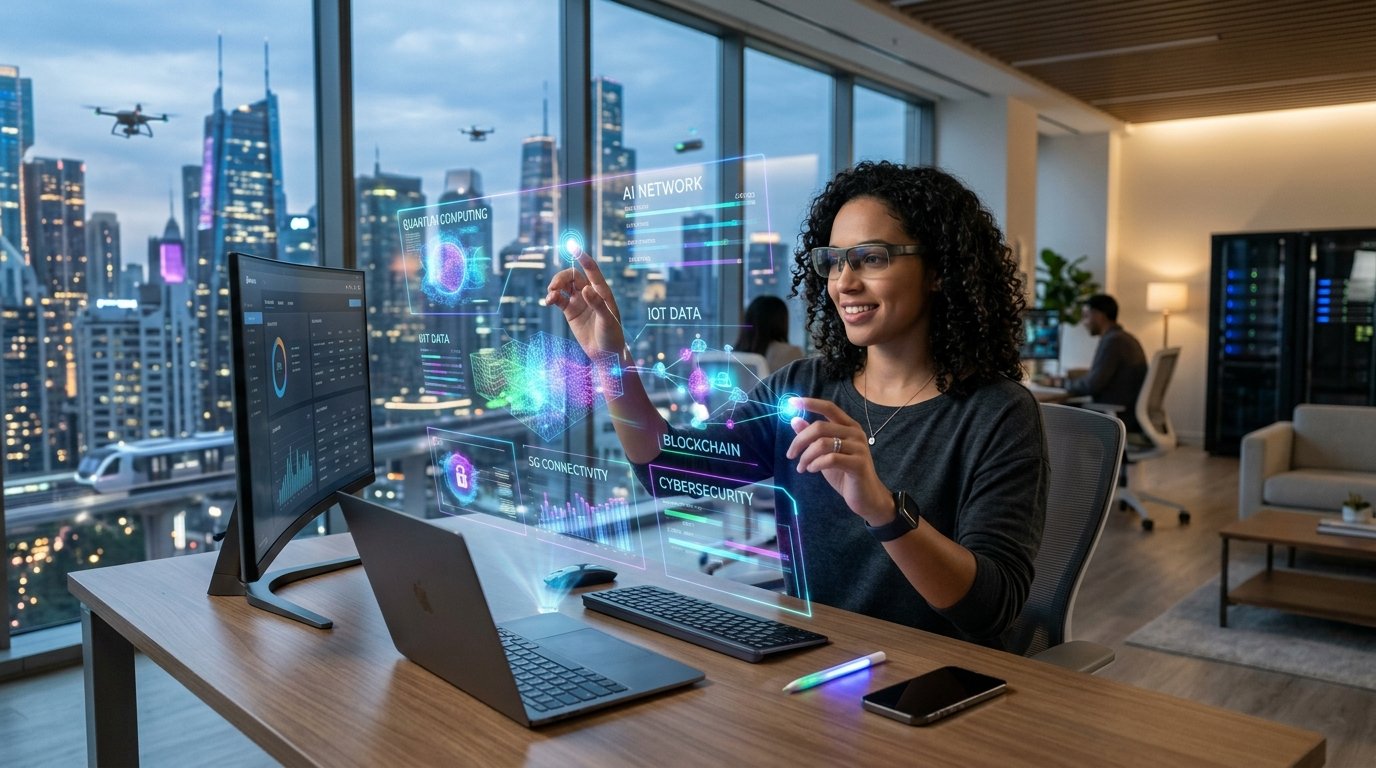
Modern Technology: Transforming the Way We Live, Work, and Connect
Introduction
Modern technology has become an essential part of everyday life. From the smartphones in our pockets to the cloud-based systems that power businesses worldwide, technology continues to reshape how people communicate, learn, work, and solve problems. Over the past few decades, technological advancements have accelerated at an unprecedented pace, creating opportunities that were once considered impossible.
Today, technology influences nearly every aspect of society. It drives innovation, improves efficiency, enhances connectivity, and opens new possibilities across industries such as healthcare, education, finance, transportation, and entertainment. As digital transformation continues, understanding modern technology and its impact becomes increasingly important.
This article explores the evolution of modern technology, its major components, benefits, challenges, and the future trends that are shaping the digital world.
What Is Modern Technology?
Modern technology refers to advanced tools, systems, devices, and techniques developed through scientific knowledge and innovation. These technologies are designed to improve efficiency, solve complex problems, and enhance the quality of life.
Unlike traditional technologies, modern solutions are often powered by digital systems, automation, artificial intelligence, and internet connectivity. They allow individuals and organizations to perform tasks faster, more accurately, and more effectively than ever before.
Examples of modern technology include:
- Smartphones
- Artificial Intelligence (AI)
- Cloud Computing
- Robotics
- Internet of Things (IoT)
- Virtual Reality (VR)
- Blockchain Technology
- Renewable Energy Systems
- Autonomous Vehicles
These innovations continue to evolve and influence both personal and professional environments.
The Evolution of Technology
Technology has undergone remarkable changes throughout human history.
Early Innovations
The earliest technological advancements included tools, agriculture, and basic machinery. These inventions helped humans improve productivity and survival.
Industrial Revolution
The Industrial Revolution introduced machines powered by steam and electricity, transforming manufacturing and transportation.
Digital Revolution
The late 20th century marked the beginning of the Digital Revolution. Computers, the internet, and telecommunications changed the way information was created, stored, and shared.
Modern Digital Age
Today, technologies such as artificial intelligence, cloud computing, and big data are driving the next phase of innovation, creating smarter and more connected systems worldwide.
Key Technologies Shaping the Modern World
Artificial Intelligence (AI)
Artificial Intelligence enables machines to perform tasks that typically require human intelligence.
AI applications include:
- Voice assistants
- Recommendation systems
- Image recognition
- Language translation
- Predictive analytics
- Customer support chatbots
AI is helping businesses automate processes and make data-driven decisions more efficiently.
Cloud Computing
Cloud computing allows users to access data, applications, and services through the internet instead of relying solely on local devices.
Benefits include:
- Remote accessibility
- Reduced infrastructure costs
- Improved scalability
- Enhanced collaboration
Many organizations now rely on cloud platforms for daily operations.
Internet of Things (IoT)
The Internet of Things connects physical devices to the internet, enabling them to collect and exchange data.
Examples include:
- Smart homes
- Wearable fitness trackers
- Smart appliances
- Connected vehicles
- Industrial monitoring systems
IoT improves automation and provides valuable real-time insights.
Robotics
Robots are increasingly used in manufacturing, healthcare, logistics, and agriculture.
Modern robotics helps organizations:
- Improve efficiency
- Reduce errors
- Enhance safety
- Automate repetitive tasks
As robotics technology advances, its applications continue to expand.
Blockchain Technology
Blockchain is a decentralized digital ledger that records transactions securely and transparently.
Common uses include:
- Cryptocurrency transactions
- Supply chain management
- Digital identity verification
- Smart contracts
Its ability to provide secure and tamper-resistant records makes it valuable across various industries.
Impact of Technology on Communication
One of the most visible effects of modern technology is the transformation of communication.
Instant Connectivity
People can now communicate instantly through:
- Messaging apps
- Video calls
- Social media platforms
- Email services
Distance is no longer a major barrier to communication.
Global Collaboration
Businesses and teams can collaborate across different countries in real time using digital tools and cloud-based platforms.
Information Sharing
Technology has made information more accessible than ever before, allowing people to learn, share knowledge, and stay informed with just a few clicks.
Technology in Education
Education has been significantly transformed by technological advancements.
Online Learning
Students can access courses and educational resources from anywhere in the world.
Benefits include:
- Flexible learning schedules
- Lower educational costs
- Access to global expertise
- Personalized learning experiences
Digital Classrooms
Interactive tools, virtual classrooms, and educational software enhance engagement and improve learning outcomes.
Artificial Intelligence in Education
AI-powered platforms can personalize lessons based on individual learning styles and performance levels.
Technology in Healthcare
Modern technology has revolutionized healthcare services.
Telemedicine
Patients can consult healthcare professionals remotely through video conferencing and mobile applications.
Advanced Diagnostics
AI and machine learning assist medical professionals in detecting diseases more accurately and efficiently.
Wearable Devices
Smartwatches and fitness trackers monitor health metrics such as:
- Heart rate
- Sleep patterns
- Physical activity
- Blood oxygen levels
These devices help individuals maintain healthier lifestyles.
Technology in Business
Businesses depend heavily on modern technology to remain competitive.
Automation
Automation reduces manual work and improves productivity by handling repetitive tasks efficiently.
Data Analytics
Organizations use data analytics to understand customer behavior, identify trends, and improve decision-making.
Digital Marketing
Technology enables businesses to reach targeted audiences through:
- Search engines
- Social media
- Email marketing
- Content marketing
Digital strategies provide measurable and cost-effective marketing solutions.
Benefits of Modern Technology
Modern technology offers numerous advantages across various sectors.
Increased Efficiency
Tasks that once required hours can now be completed within minutes using advanced software and automation.
Improved Communication
Technology enables seamless communication regardless of geographic location.
Better Access to Information
People can instantly access educational resources, news, research, and entertainment online.
Enhanced Healthcare
Advanced medical technologies improve diagnosis, treatment, and patient care.
Economic Growth
Innovation drives new industries, creates jobs, and supports economic development worldwide.
Challenges and Concerns
Despite its benefits, modern technology also presents several challenges.
Privacy Issues
The collection and storage of personal data raise concerns about privacy and security.
Cybersecurity Threats
Cyberattacks, data breaches, and online fraud continue to pose significant risks.
Digital Addiction
Excessive use of smartphones, social media, and online platforms can negatively affect mental health and productivity.
Job Displacement
Automation and artificial intelligence may replace certain jobs, requiring workers to develop new skills.
Misinformation
The rapid spread of information online can sometimes lead to the distribution of false or misleading content.
Emerging Technologies of the Future
Several innovations are expected to shape the future of technology.
Artificial General Intelligence
Researchers continue exploring more advanced AI systems capable of handling a broader range of tasks.
Quantum Computing
Quantum computers could solve complex problems significantly faster than traditional computers.
Smart Cities
Future cities may use interconnected technologies to improve transportation, energy management, and public services.
Renewable Energy Technologies
Innovations in solar, wind, and battery storage systems will support a more sustainable future.
Augmented and Virtual Reality
Immersive technologies may transform education, entertainment, healthcare, and business collaboration.
The Future of Modern Technology
The future of technology will likely be characterized by greater automation, enhanced connectivity, and increased integration between digital and physical environments.
Organizations and individuals who embrace innovation and continuously adapt to technological changes will be better positioned to succeed in the digital era. As technology evolves, balancing innovation with ethical considerations, privacy protection, and responsible use will become increasingly important.
Conclusion
Modern technology has fundamentally transformed the world, influencing how people communicate, learn, work, and live. From artificial intelligence and cloud computing to robotics and blockchain, technological innovations continue to drive progress across industries and societies.
While challenges such as cybersecurity, privacy concerns, and digital dependence remain important issues, the benefits of modern technology are undeniable. By understanding and responsibly embracing these advancements, individuals and organizations can take full advantage of the opportunities offered by the rapidly evolving digital landscape.
As we move into the future, technology will continue to shape human experiences, create new possibilities, and redefine what is achievable in an increasingly connected world.